Valley Center is North County’s rural heart. This unincorporated community spreads across rolling inland hills, where avocado and citrus groves, horse properties, and rural estates sit on lots measured in acres rather than feet. Tree service in Valley Center means working at rural scale: grove rows and eucalyptus windbreaks, heritage oaks shading ranch homes, and defensible-space clearing on properties where the wildland starts at the back fence. Call (619) 317-9964 for a free on-site quote.
Tree Services in Valley Center
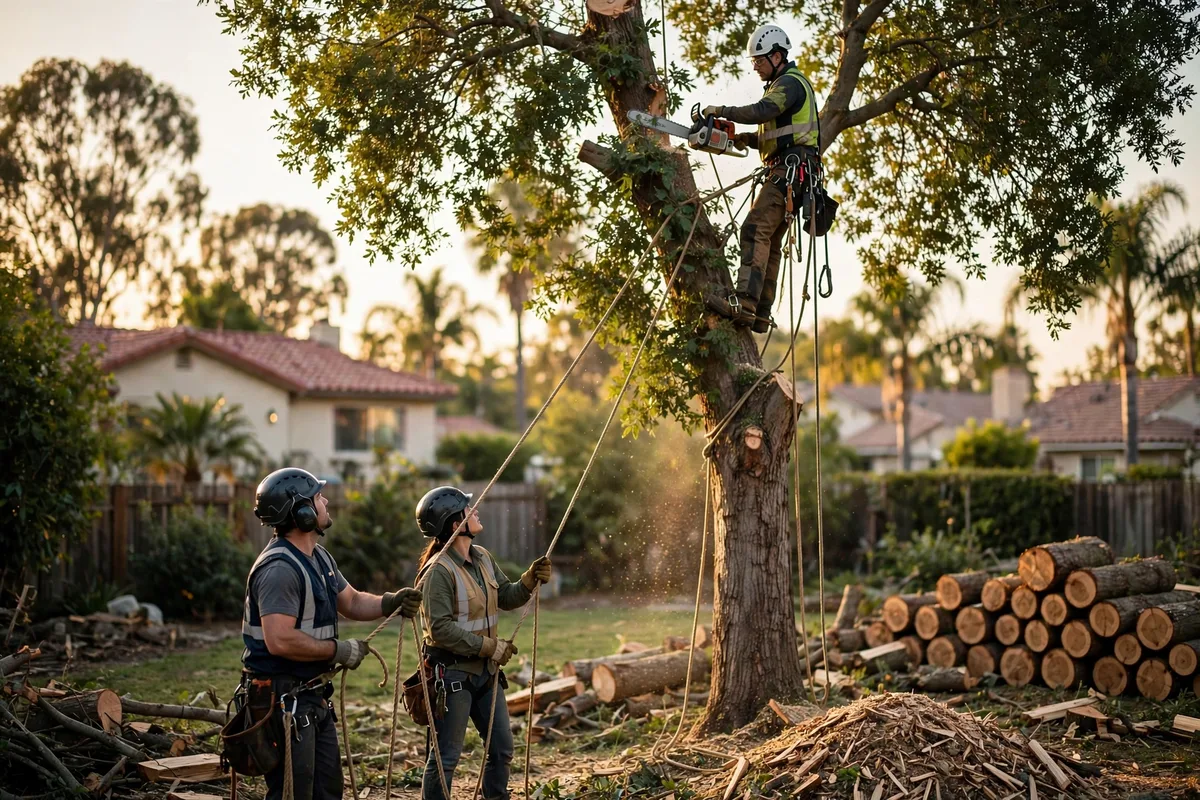
Tree Removal
Safe removal of dead, damaged, or badly placed trees — including hard-to-reach rural jobs.
Learn More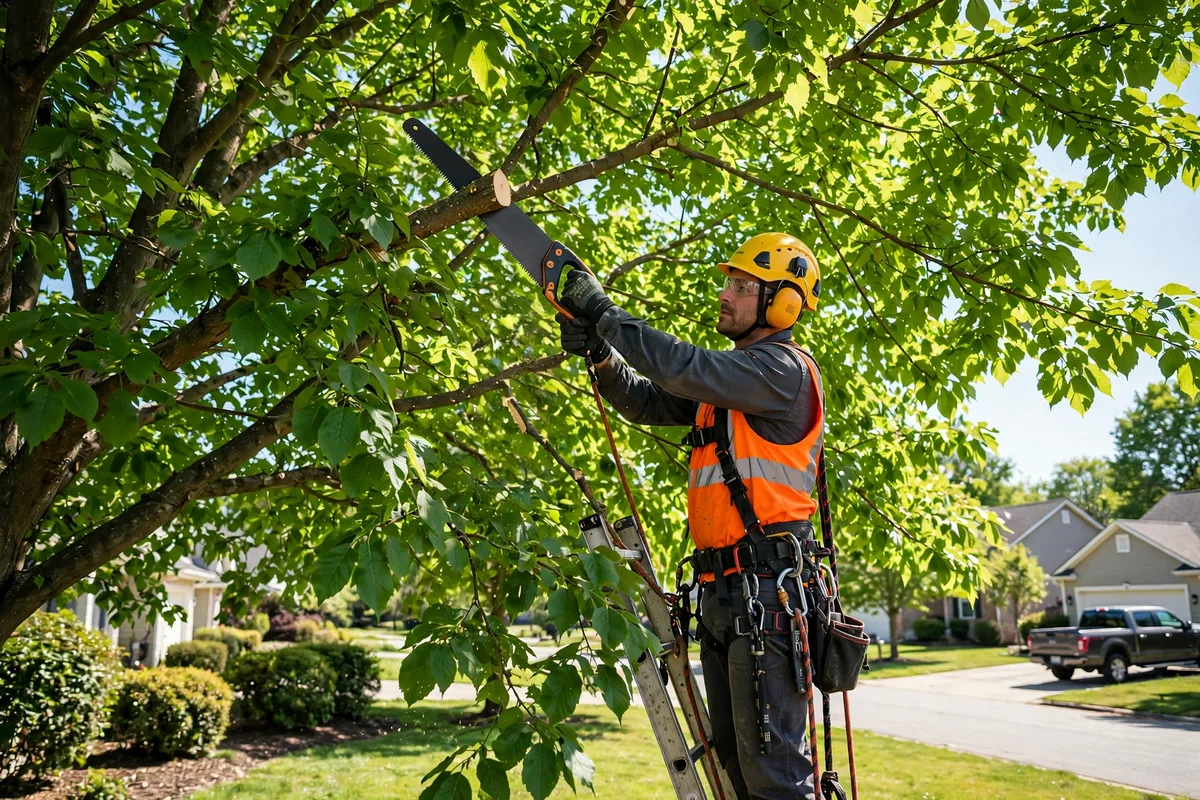
Tree Trimming & Pruning
Crown cleaning and structural pruning that keeps trees healthy and well-shaped.
Learn More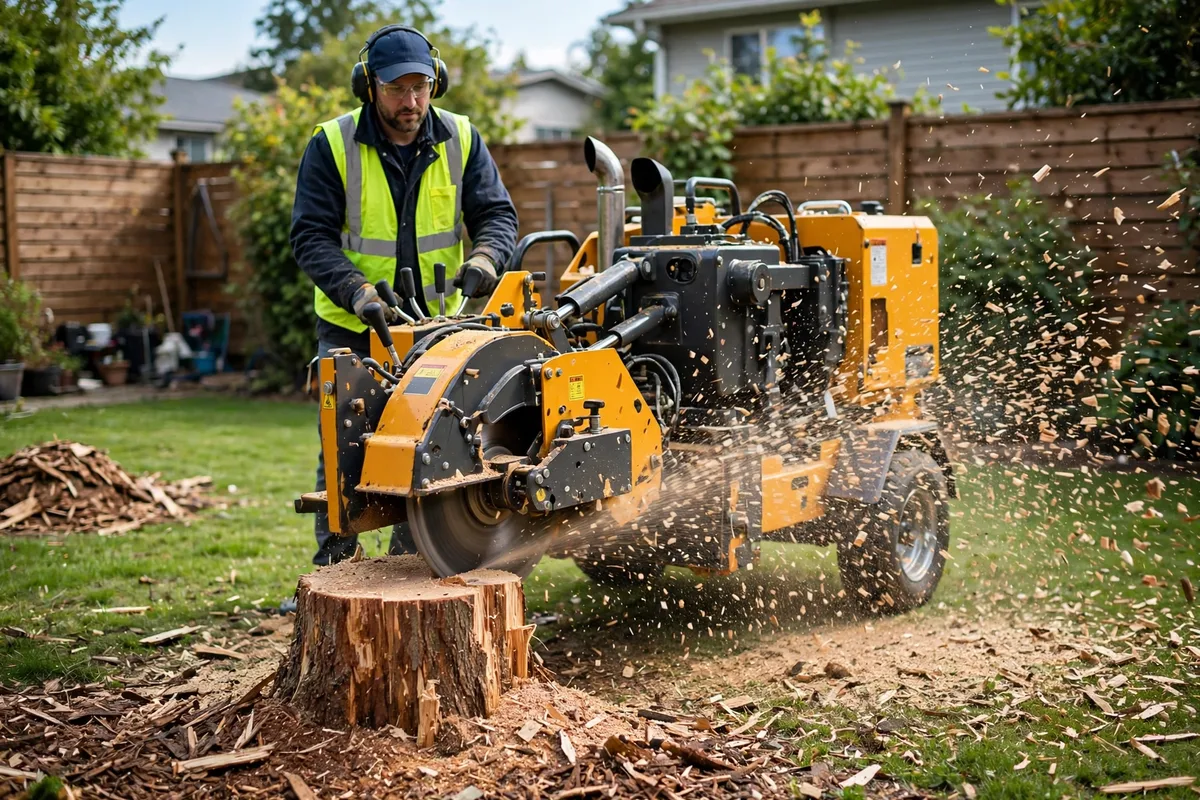
Stump Grinding & Removal
Grind stumps out so you can replant, re-grade, or simply get your ground back.
Learn More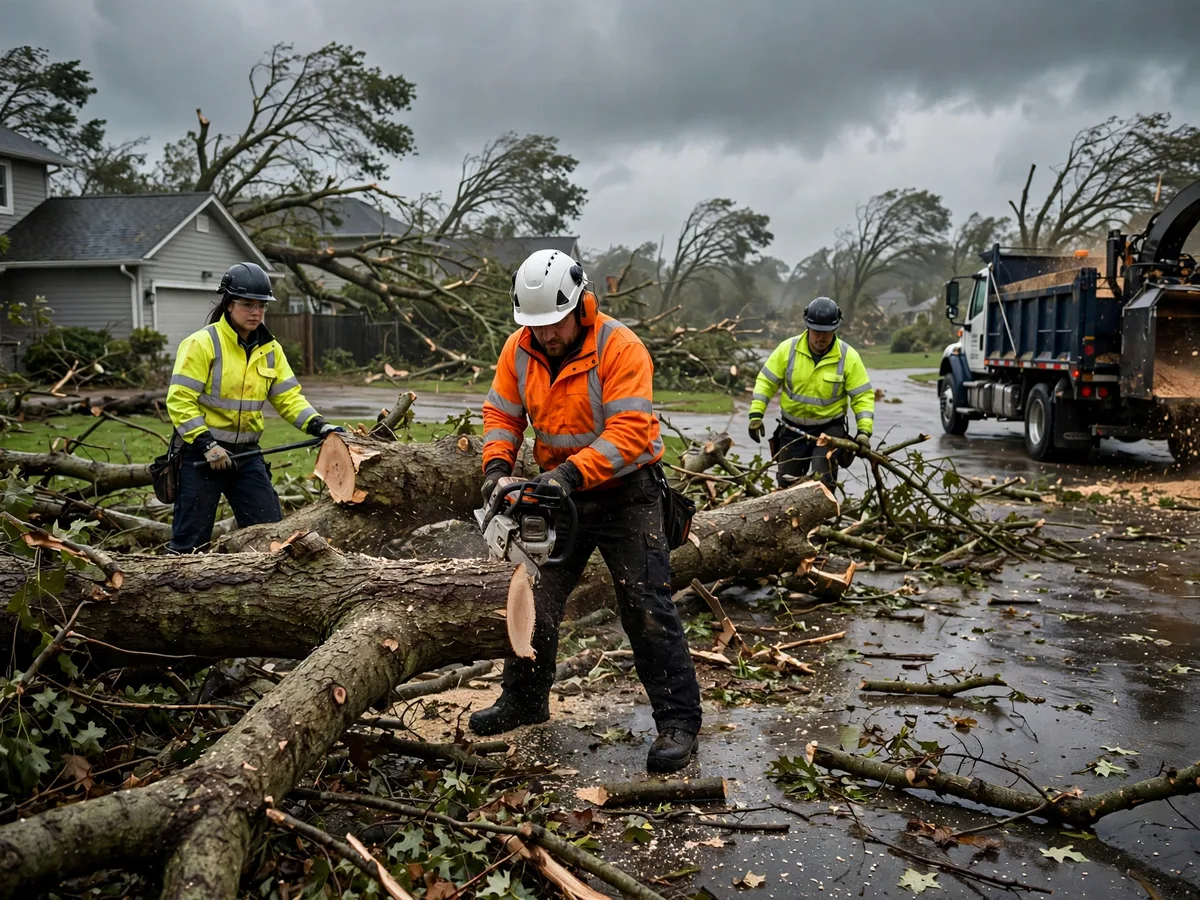
Emergency & Storm Damage
Rapid hazard clearing and stabilization after Santa Ana winds and storms.
Learn More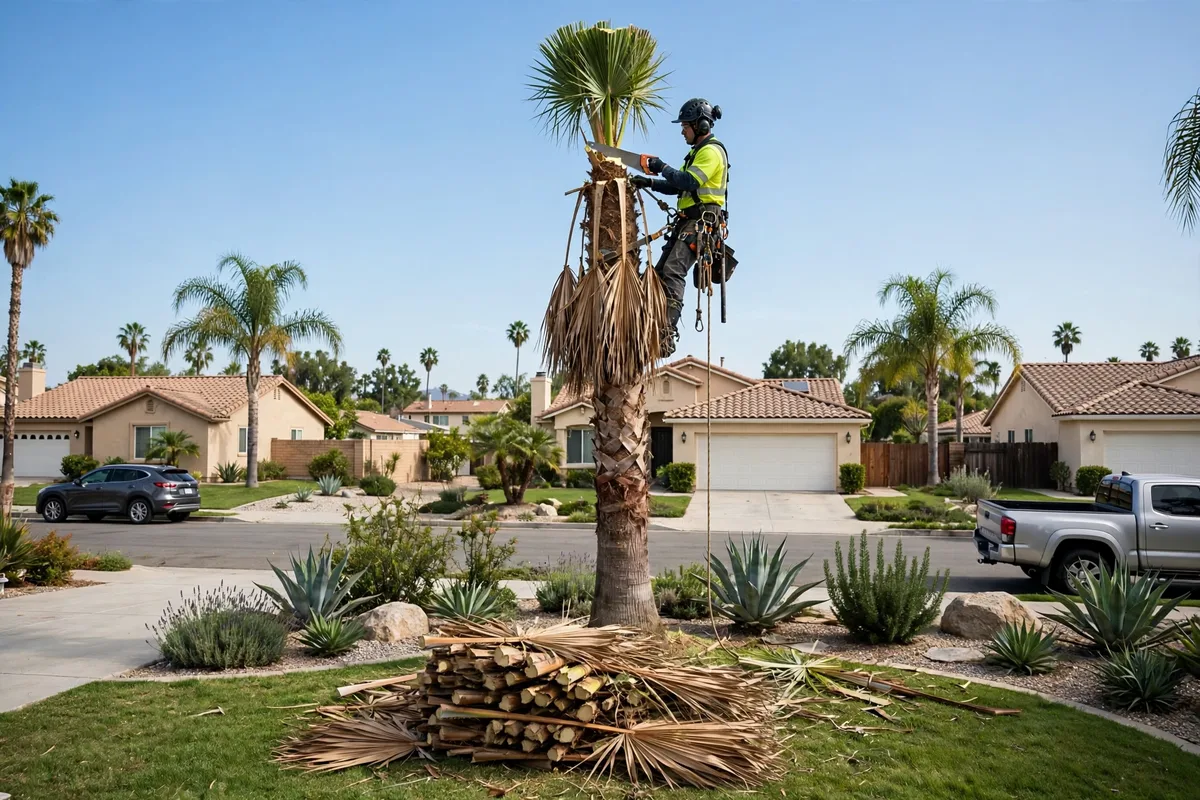
Palm Tree Trimming & Care
Frond trimming, seed-pod removal, and safe trunk skinning for healthy palms.
Learn More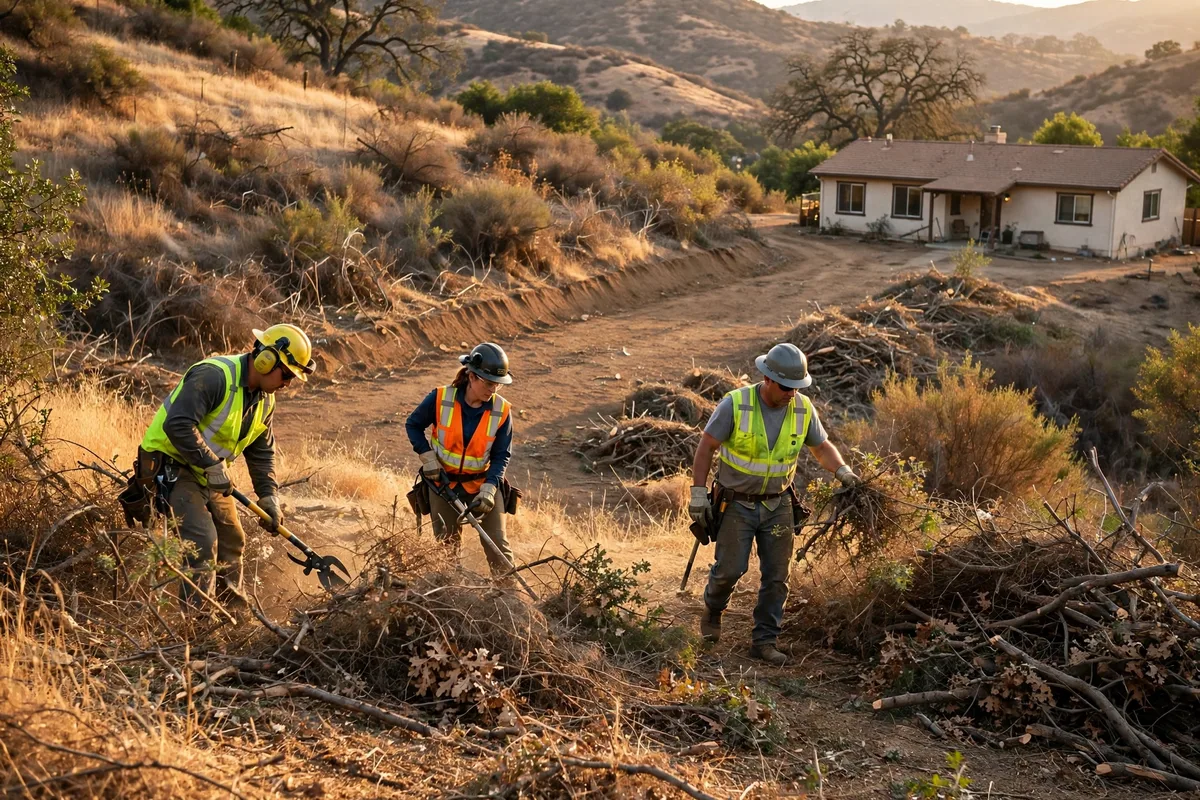
Brush Clearing & Defensible Space
Fuel reduction for multi-acre lots — critical work in Valley Center’s fire country.
Learn More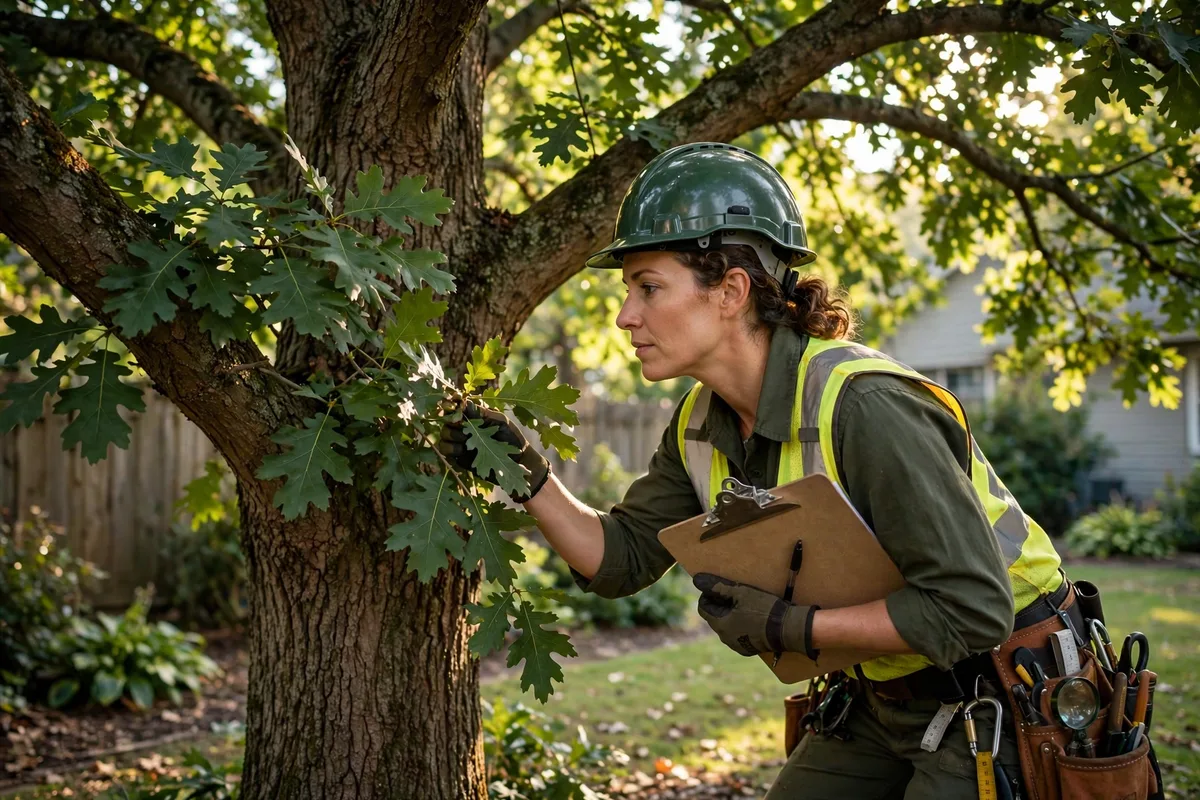
Tree Health & Disease Care
Diagnosis for heat stress, pests, and disease before decline becomes removal.
Learn MoreTrees and Conditions in Valley Center
The first thing to understand about Valley Center is the groves. Avocado and citrus trees cover the hillsides here, and they live a harder life than most property owners realize. Santa Ana winds don’t just rattle branches — strong events strip fruit straight off trees on exposed slopes and snap limbs across ridgelines. Summer heat waves do their own damage, scorching canopies and stressing irrigation systems. A grove tree that’s dropping fruit or thinning out may be fighting weather, not disease, and the fix starts with an honest assessment of which one it is.
The second thing is fire. Valley Center sits in a high fire-hazard area of inland San Diego County, and defensible space here is a year-round responsibility, not a one-time project. Eucalyptus windbreaks — planted decades ago along older property lines across North County farmland — still stand between fields and homes here, dropping heavy limbs in wind events and burning fiercely when they catch. Add chaparral, dry oak litter, and dead wood accumulating on multi-acre lots, and professional brush clearing becomes the difference between a property that can be defended and one that can’t. Fire districts expect cleared brush, limbed-up trees, and no dead fuel piled against structures.
Around the homes themselves, the mix is classic inland North County: coast live oaks, sycamores, pines, and palms on large lots where a single mature tree can threaten a house, a barn, or a well head. Rural access shapes every job here — narrow country roads, locked gates, and soft ground after rain decide what equipment can reach a tree, so planning starts with an on-site walk rather than assumptions. Inland heat and periodic drought make irrigation the deciding factor in tree health: a stressed tree is a brittle tree, and brittle trees are the ones that fail in the next wind event. If a big tree hasn’t been assessed in a few years, Valley Center’s wind and fire exposure make that a gamble worth resolving.
When to Call a Tree Service in Valley Center
- After a Santa Ana event. Broken limbs, leaning trees, and wind-thrown debris across groves, driveways, and pastures — get hazards cleared before the next wind arrives.
- Dead trees near structures. A dead oak or eucalyptus within striking distance of a house, barn, or grove infrastructure is both a safety hazard and a fire ladder. Don’t wait.
- Brush is closing in. If chaparral and dead wood are creeping toward your home or groves ahead of fire season, defensible-space clearing is overdue.
- Problem trees with tricky access. A hazardous tree at the back of a multi-acre lot or down a narrow country road needs a crew that plans around rural access, not against it.
Frequently Asked Questions
Do I need a permit to remove a tree in Valley Center?
Valley Center is unincorporated, so San Diego County rules apply rather than city rules — check with the county before scheduling work. Trees in the public right-of-way are off-limits for private work, and in high fire-hazard areas the fire district can have additional requirements around clearance. A quick check with county planning staff before work begins is cheap insurance.
Can your equipment reach trees on narrow country roads?
Yes — rural access is planned for, not improvised. Narrow roads, locked gates, and soft ground shape which equipment comes out: climbing crews and rigging where a lift can’t go, chippers staged at the road, and material hauled in stages. An on-site walk of the property settles the access plan before any work is priced, so there are no surprises on the day.
How often should defensible space be maintained in Valley Center?
At least once a year, timed ahead of fire season — and more often on larger or steeper lots where brush regrows fast. The work means cutting back chaparral and dead growth, limbing up trees so flames can’t climb into canopies, and clearing dead eucalyptus litter and wood away from structures. In a high fire-hazard area, defensible space is maintenance, not a one-off job.